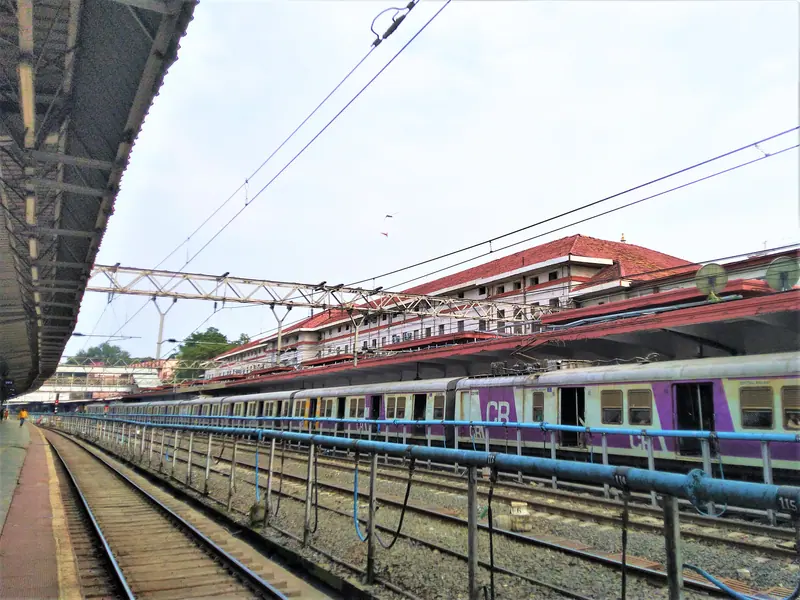
It has a pleasant climate, serious industry, India's deepest university tradition and a Marathi culture you won't find in Mumbai or Bangalore. Pune sits at 560 metres on the Deccan Plateau, three hours by expressway from Mumbai. It is home to Mercedes-Benz India, Volkswagen's largest assembly plant and the headquarters of Tata Motors' commercial vehicles. Its Hinjewadi IT corridor is built around Infosys, Wipro and TCS. Proud Marathi heritage, German engineering and a fast-growing international community all live side by side here.
Bal Gandharva theatre, Sawai Gandharva music festival, deeper Marathi roots than cosmopolitan Mumbai
Heritage Layers
Shaniwar Wada (1732), Aga Khan Palace, Sinhagad Fort, Peshwa, British, and Gandhian history all visible
Ruby Hall & Jehangir
NABH-accredited multispecialty network, heritage expat-preferred care on Sassoon Road
Café Culture in KP
German Bakery, Le Plaisir, Malaka Spice, Vohuman, Koregaon Park feels European
Monsoon Weekends
Tamhini Ghat, Mulshi, Lonavala lakes, Pune offers the best monsoon experience accessible in India
2026 Infrastructure Watch: Pune Metro's Purple Line (PCMC-Swargate) and Aqua Line (Vanaz-Ramwadi) are now fully operational, with Civil Court as the central interchange. The PMRDA Hinjewadi-Shivajinagar line (Line 3) passed its first rail safety inspection in July 2026, with the first 17 of its 23 stations due to open from late September 2026, a big improvement for IT executives travelling between Hinjewadi and central Pune. The proposed Purandar International Airport remains in planning; for now, most international connections route via Mumbai CSMIA T2, three hours west.
02Culture & Heritage
History and culture
Pune was the capital of the Peshwas, then a British military base, then the intellectual heart of independent India.
You can see its history in the ruins of Shaniwar Wada and the Gandhi memorials at Aga Khan Palace. It is there too in the fort walls of Sinhagad and the colonial cantonment of Camp. Marathi culture, from classical music to theatre and literature, runs deeper here than anywhere else in India.
Pune is THE city where Ganesh Chaturthi was popularised as a public festival, by Bal Gangadhar Tilak in 1893. The "Manache Ganpati", five honoured mandals including Kasba Ganpati and Tambdi Jogeshwari, anchor 11 days of music, mandap visits, processions, and devotion. The final Visarjan procession through Lakshmi Road and Tilak Road takes 24+ hours. Everything else in Pune pauses.
December
Sawai Gandharva Music Festival
Annual Hindustani classical music festival, four nights at New English School ground, Mukundnagar. Draws ~50,000 attendees per night. The deepest classical music tradition of any Indian metro, Kirana, Gwalior, and Agra gharanas all have Pune lineages. An essential cultural experience for music-curious expats arriving December-February.
Year-round
Aga Khan Palace
Where Gandhi, Kasturba and Mahadev Desai were interned by the British (1942-44) during the Quit India Movement. Kasturba and Mahadev Desai's memorials sit in the palace grounds. A sober, moving heritage visit, closer to Pune's heart than Shaniwar Wada for most visitors.
Shaniwar Wada (1732 Peshwa palace ruins) · Lal Mahal (Shivaji's boyhood home) · Pataleshwar Cave Temple (8th century rock-cut Shiva temple in central Pune) · Saras Baug (Ganesha temple in a garden) · Parvati Hill (historic temple complex with city views). A weekend on foot in old Pune reveals more than years of guidebook reading.
Places of Worship: Pune is religiously diverse and easy to practise in. Hindu temples are everywhere (Dagdusheth Halwai Ganpati, Parvati Hill, the ISKCON temple at Katraj); historic churches cluster in Camp and Koregaon Park (St Patrick's Cathedral, St Mary's, City Church); mosques serve Camp and the old city; gurudwaras are spread across the city; and there is a Jewish / Chabad presence in Koregaon Park, alongside the globally known Osho International Meditation Resort. Your building and society WhatsApp groups are the quickest way to find the nearest congregation and service times.
03Climate
Pune's three seasons
The weather is Pune's biggest advantage. At 560 metres on the Deccan Plateau, it has a climate no other major Indian metro can match: cool dry winters, warm dry summers without coastal humidity, and a manageable monsoon with a quarter of Mumbai's rain. Many families moving from abroad choose Pune because of the climate.
11 to 30°JanIdeal
13 to 32°FebIdeal
16 to 36°MarWarm dry
20 to 38°AprHot dry
23 to 37°MayPeak summer
23 to 32°JunMonsoon onset
22 to 28°JulWet, cool
22 to 28°AugWet, cool
21 to 30°SepMonsoon retreats
19 to 32°OctClear pleasant
15 to 31°NovCool nights
12 to 30°DecCrisp winter
Best monthsWarmHotMonsoonBest months in Pune: Jan, Feb, Nov, Dec
Each month shows the average daily low and high in °C, from the India Meteorological Department's 1991 to 2020 normals for Pune. Checked 7 Oct 2026.
Winter, Pune's Defining Season
November to February
10-30°C with low humidity, clear skies, and crisp mornings. Pune is at its best, cold nights (10-13°C) and warm afternoons (28-30°C). A proper jacket is needed for December and January evenings. The social and cultural calendar peaks: Sawai Gandharva music festival, Pune International Film Festival, weekend treks to Sinhagad, and Mahabaleshwar strawberry runs. No peer metro in India offers this combination at scale.
Light wool jacket for Dec-Jan evenings
Best season for Sahyadri treks and weekend escapes
Cultural calendar peak, Sawai Gandharva mid-December
Warm Dry Summer
March to May
Warm to hot and dry, April and May highs around 37 to 38°C, with peaks of 40-42°C before the monsoon, but completely different from Mumbai or Chennai: there is no coastal humidity here. Days are hot but evenings cool off, especially in the older bungalow neighbourhoods with tree cover. Air conditioning is useful but not the existential survival tool it is in coastal metros. May often brings dramatic pre-monsoon thunderstorms over the Sahyadris.
April and May ~38°C, peaks 40-42°C, but dry, not the humid heat of the coast
Tree-canopied old neighbourhoods (Prabhat Rd, Aundh) noticeably cooler
May pre-monsoon storms spectacular over the ghats
Monsoon
June to September
~700mm in four months, about a quarter of Mumbai's monsoon, falling mostly in afternoon and evening showers. Temperatures drop to a pleasant 22-28°C. The drive west to Tamhini Ghat, Mulshi, and Lonavala becomes one of the great seasonal experiences in India. Pune's drainage handles most rainfall, though older peths near the Mutha river can flood briefly in extreme spells.
Compact umbrella as standard daily kit
Plan weekend monsoon drives to Tamhini and Mulshi
PMC (city council) alerts for waterlogging in older peths
Your homes, dates and papers are in i-Navigate, IKAN's app for families. It opens with the email address your IKAN consultant has for you, then sends you a six digit code.
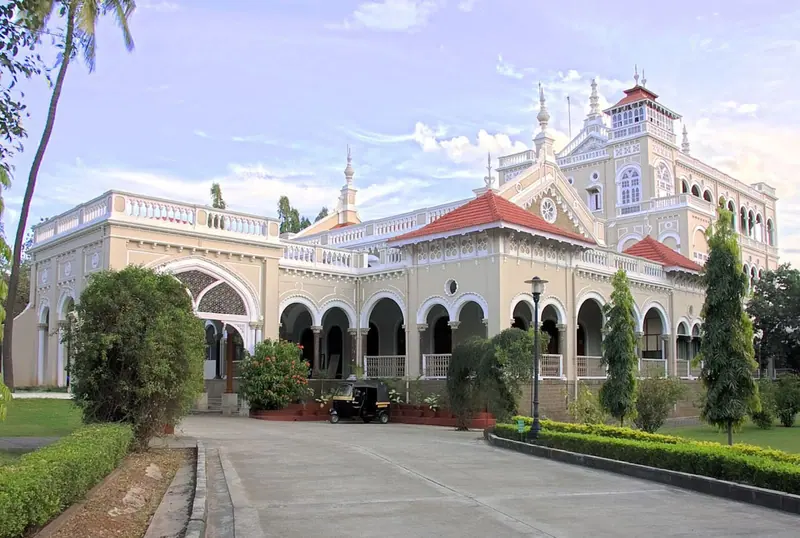
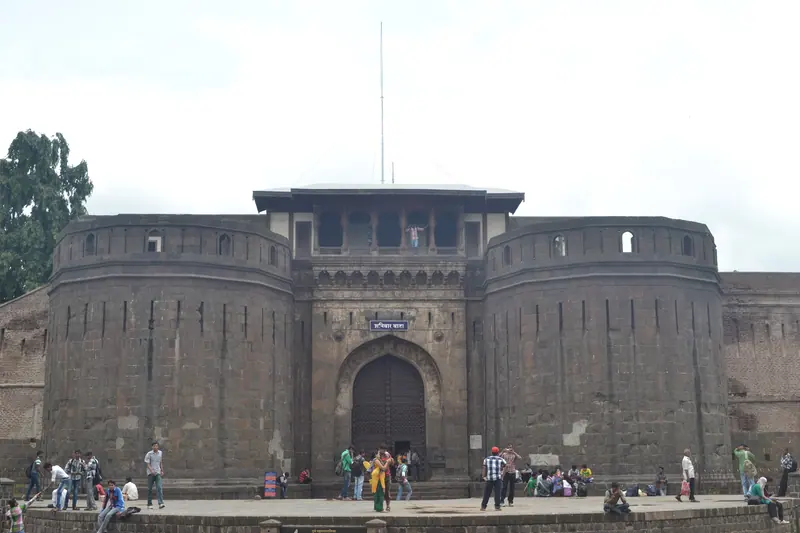
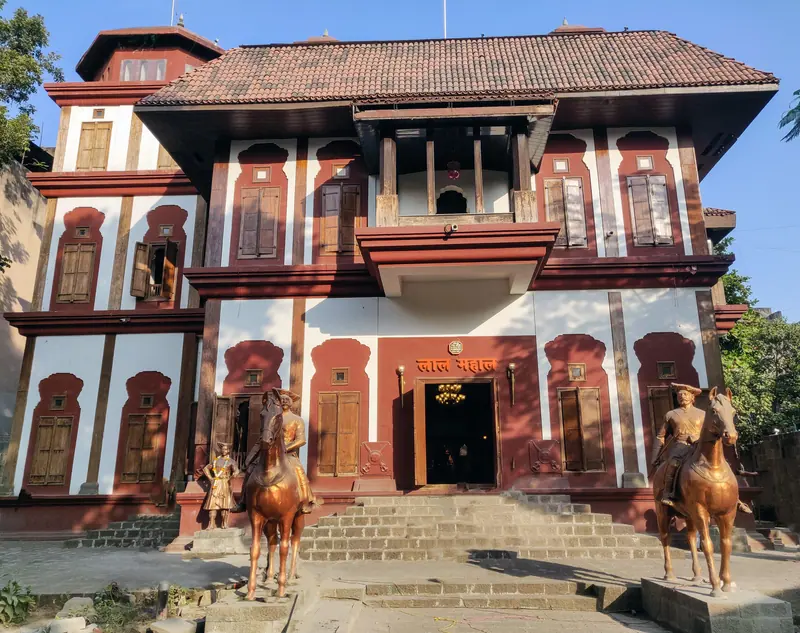
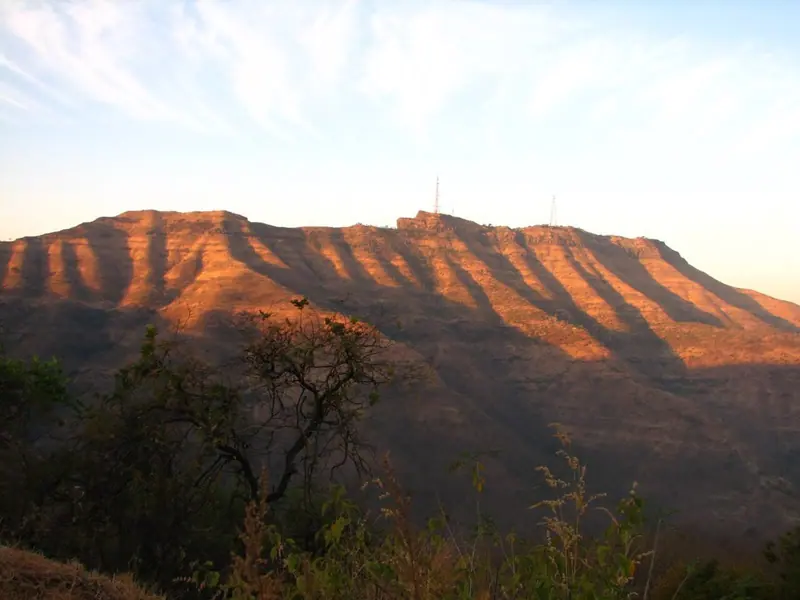
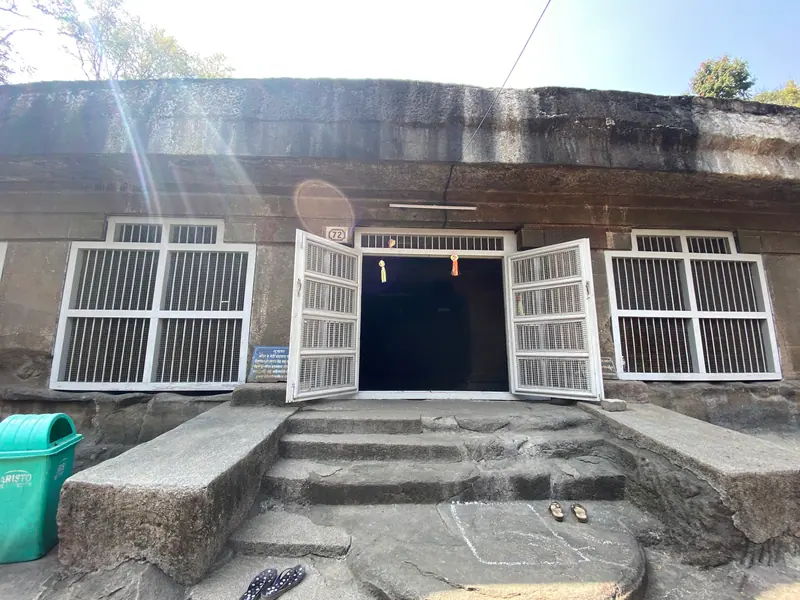 Photo: Himanshu Rane, CC BY-SA 4.0